Thinking about buying your first rental home in Greenbrier? You’re not alone. Many first-time investors look to 37073 for its small-town feel and access to broader Middle Tennessee job centers. In this guide, you’ll get a clear playbook: what to verify locally, common single-family property types, a conservative underwriting process, financing options, and a step-by-step checklist to get you from idea to keys in hand. Let’s dive in.
Why Greenbrier for SFR investing
Before you buy, frame your decision around local demand, supply, and operating rules. Greenbrier sits in Robertson County within the Middle Tennessee region, and nearby employment centers can influence renter demand. Your goal is to validate the key drivers that will shape rent, vacancy, and long-term stability.
Demand drivers to verify
- Geography and commuting: Identify common commute routes, nearby interstates, and drive times to regional job hubs. Commuter convenience often fuels tenant interest.
- Population and households: Review recent trends for Robertson County and Greenbrier to gauge long-term demand and household formation.
- Local employers: Note major employers in manufacturing, distribution, healthcare, and education. Job stability supports rental stability.
- Housing stock: Check the age and condition mix. Newer subdivisions may rent easily, while older homes can require higher maintenance budgets.
- Supply pipeline: Track new construction and planned subdivisions. Added supply can affect rent growth and vacancy.
- Regulations: Confirm local rental registration, inspection rules, and any short-term rental limits to ensure your operating plan complies.
Practical data to gather
- Active rent comps for 2–3 bedroom single-family homes within about a mile of your target property.
- Typical vacancy rates and lease terms through local property managers.
- Utility setup and costs, including whether the home is on municipal sewer/water or septic/well.
- Property tax process, current tax amounts, and due dates through county channels.
Common single-family rentals you will see
Understanding local product types helps you match your expectations with operating realities. In and around small Tennessee towns like Greenbrier, you’ll typically find these single-family categories.
Turnkey suburban homes
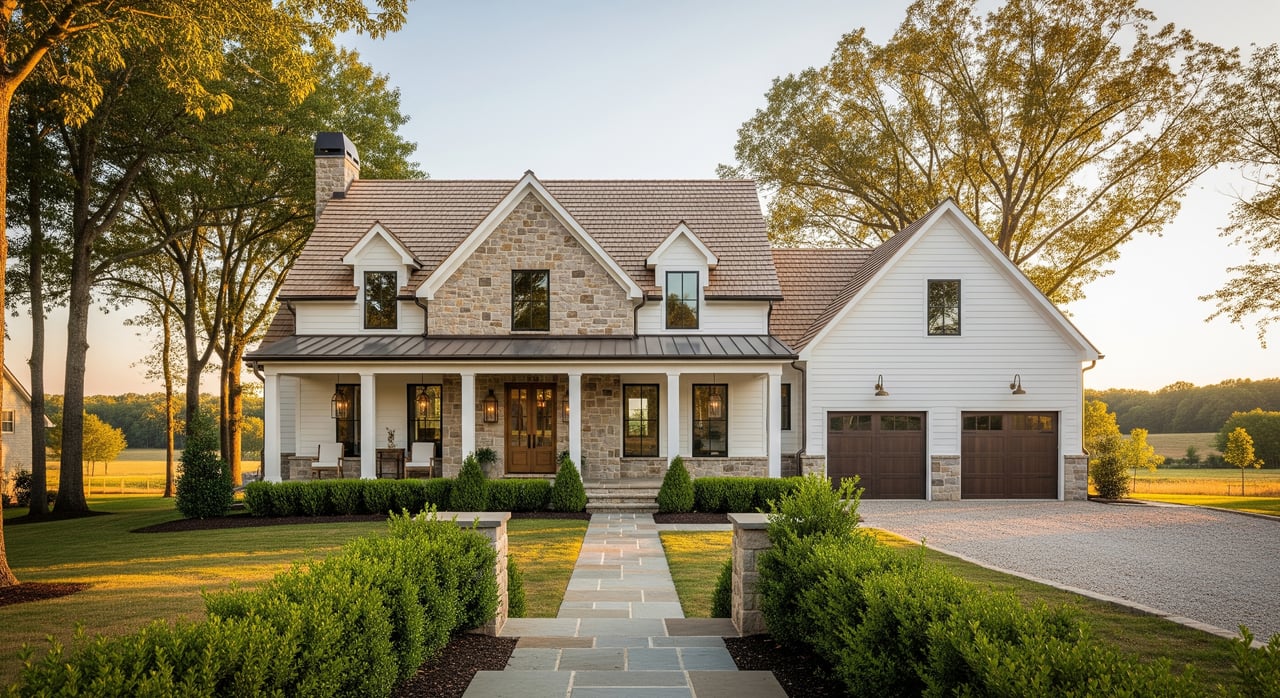
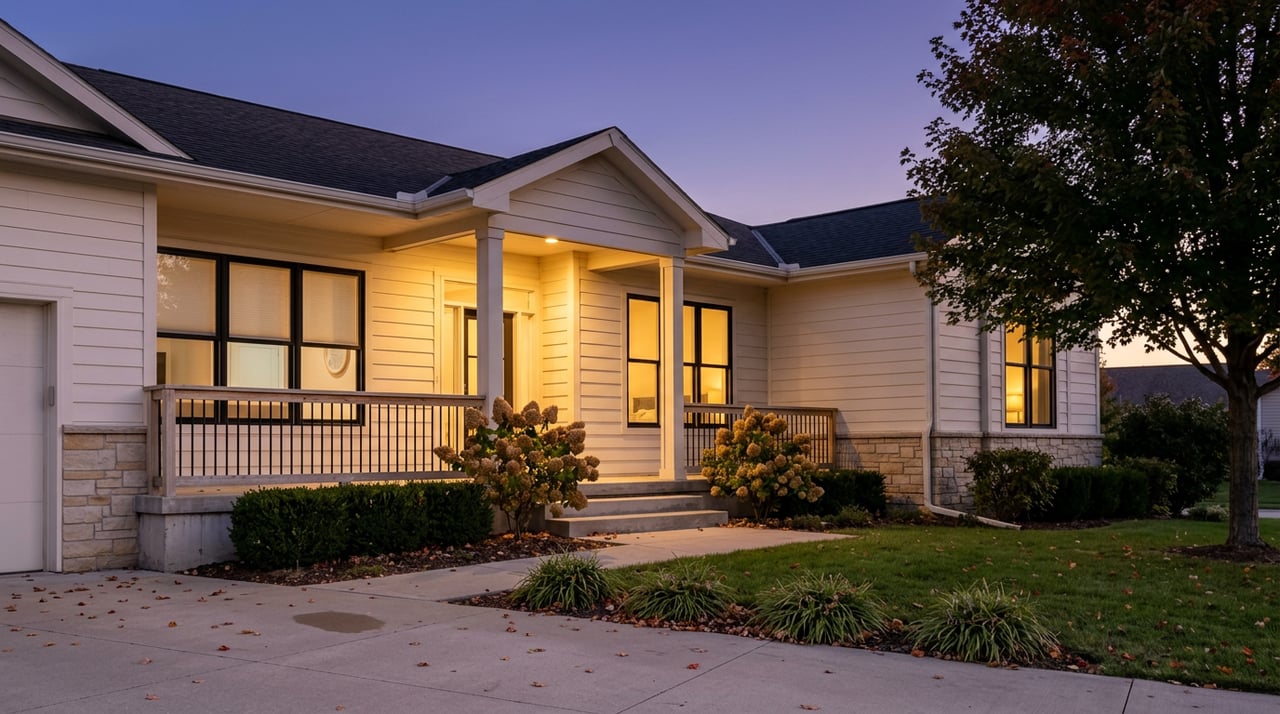
These are 3–4 bedroom, single-family homes often built within the last 10–30 years, sometimes with a garage. They usually offer predictable comps and broad renter appeal. If there is an HOA, review covenants for exterior rules and any rental restrictions.
Older homes on larger lots
You may find attractive purchase prices, but plan for higher capital needs. Older roofs, HVAC systems, and plumbing can drive steady maintenance and periodic big-ticket replacements. Budget with caution and verify systems during inspections.
New construction infill or small subdivisions
Newer homes typically reduce near-term repairs. Purchase price and property taxes may be higher. Confirm any HOA requirements that affect leasing or exterior upkeep.
Small starter homes
Compact homes on larger lots can attract entry-level renters and smaller households. Rents may be lower, but so is the initial price point, which can make numbers work for first-time investors.
Features that matter most
- Beds and baths: 2–3 bedrooms tend to draw the widest tenant pool.
- Yard and parking: Families often value fenced yards and off-street parking.
- Proximity to daily needs: Access to shopping, schools, and major roads can improve leasing speed.
- Sewer and water: Septic and well systems require specific maintenance and can add cost risk. Gather service history and plan reserves.
- Mechanical condition: Roof, HVAC, electrical, and plumbing condition shape your capex plan and insurance considerations.
Underwrite conservatively in Greenbrier
A disciplined underwriting process can help you avoid surprises and protect your downside. Use conservative assumptions at the start, then refine with local quotes and comps.
Step-by-step framework
Collect deal inputs
- Purchase price, closing costs, rehab budget, down payment, and estimated interest rate/loan product.
Estimate rent
- Pull 3–5 comparable rentals within the immediate area with similar beds/baths and lot type. Favor recently leased data and local property manager input.
Apply vacancy allowance
- Use a conservative range of 8–12% of gross scheduled rent until you have local vacancy data.
Build operating expenses
- Property taxes: plan for 1.0%–1.5% of value as a working range until you confirm the actual bill.
- Insurance: estimate 0.3%–0.8% of value and replace with a quote before you finalize.
- Property management: 8–12% of monthly rent if you hire a manager. Use 10% as a conservative placeholder.
- Maintenance and repairs: 5–10% of rent or $1,000–$3,000 per year; set aside a separate capex reserve.
- Capex/replace reserve: $500–$2,500+ per year depending on age and condition.
- Utilities and HOA: budget owner-paid utilities and HOA dues if applicable.
Calculate debt service and stress test
- Use your mortgage payment for principal borrowed at the quoted rate and term.
- Stress test with rate +100–200 bps, vacancy at 12–15%, and maintenance +25–50% to see if your deal still holds.
Evaluate returns
- Net Operating Income (NOI) = Gross Scheduled Rent − Vacancy − Operating Expenses.
- Debt Service Coverage Ratio (DSCR) = NOI / Annual Debt Service. Target 1.15–1.25+ as a conservative safety band, depending on the lender.
- Cash-on-cash return = (NOI − Debt Service) / Cash Invested.
Find break-even thresholds
- Solve for the rent needed to cover expenses and debt. Also solve for the max purchase price that still meets your return target.
Inspection and title checks
- Full home inspection, plus focused HVAC, roof, pest/termite, electrical, and plumbing reviews.
- Septic inspection and maintenance records if applicable. Confirm serviceability and expected replacement timeline.
- Check FEMA flood maps to know whether flood insurance is required and to understand risk.
- Title search for easements, tax liens, or encumbrances. Verify any code violations with city or county.
Lease and compliance basics
- Use a Tennessee-compliant lease and follow federal fair housing rules.
- Confirm local rental registration or inspection requirements, and any HOA rules related to leasing.
- Understand state timelines for security deposit handling and eviction procedures. Consult local counsel for clarity.
Financing paths for first-time investors
Your financing choice affects down payment, rate, and your underwriting thresholds. Speak with lenders early and compare programs.
Conventional investor mortgages
Typical down payments of 15–25% on single-unit investment properties; some lenders require 20% or more.
Rates are usually higher than owner-occupant loans. Expect stronger credit and reserve requirements.
Underwriting often uses your personal DTI, not just property DSCR, though guidelines can vary by lender.
Owner-occupied approaches
- If you will live in the home, you may qualify for lower down payments through conventional owner-occupant or FHA options.
- You must occupy the property for the lender’s required period before converting to a rental. Always follow loan and legal rules.
FHA 203(k) for live-in rehab
- For buyers who will occupy while completing repairs. Combines purchase and rehab into one loan.
- Not designed for pure investors. Verify occupancy requirements and timelines before planning a future conversion to rental.
DSCR and non-QM investor loans
- Underwritten primarily on the property’s cash flow rather than your personal DTI.
- Typical down payments are 20–30%, with rates and fees often higher than conventional.
Local portfolio loans
- Community banks and credit unions may offer flexible terms and local underwriting.
- Ask about reserve requirements, loan limits, and whether they lend on properties with septic/well or in flood zones.
Hard money and renovation financing
- Useful for value-add buys with quick close or repairs. Costs are higher, so plan a clear exit strategy, such as refinancing into a permanent loan after rehab.
Home equity options
- A HELOC or cash-out refi on your current home can fund a purchase. Carefully weigh the risk of leveraging your primary residence.
Your Greenbrier readiness checklist
Use this list to move from first look to first lease with fewer surprises.
Pre-purchase due diligence
- Gather 3–5 rent comps and 3–5 sales comps for your specific sub-area.
- Order full inspections, including septic if applicable, and review age and condition of roof and HVAC.
- Review FEMA flood zone status and request insurance quotes early.
- Confirm clear title, current tax bill, and any liens or easements.
- Check city rules, HOA covenants, and lease restrictions.
- Verify school boundaries if your target renter is likely a household with children.
Financing and closing prep
- Select your loan program and confirm reserve requirements.
- Plan closing costs and prepaids in your cash-to-close.
- Schedule the appraisal and address any lender conditions related to property condition.
Operational setup
- Decide on DIY vs. professional property management. If hiring, confirm placement fees, monthly percentage, and service levels.
- Use compliant tenant screening that respects fair housing and privacy rules.
- Finalize a Tennessee-compliant lease and a detailed move-in checklist with photos.
- Line up maintenance pros for HVAC, plumbing, electrical, roofing, and locksmith services.
- Open a separate bank account for the rental and set up basic accounting.
Ongoing practices
- Keep 3–6 months of mortgage payments in liquid reserves.
- Review rents annually against the local market and plan minor upgrades to retain good tenants.
- Perform routine maintenance like HVAC filter changes and gutter cleaning.
- Document all repairs and improvements for tax and future resale.
Regulatory and tax items
- Understand how rental income, expenses, and depreciation work for federal taxes. Consider consulting a CPA familiar with rentals.
- Tennessee property taxes are local. Learn the assessment approach and due dates for Robertson County.
- Know the local eviction process and have counsel identified before you need help.
Example underwriting frameworks
These examples show how to structure conservative math. Replace placeholders with your actual quotes, comps, and bills.
Scenario A: Conservative buy-and-hold
- Inputs: purchase price P, monthly rent R, mortgage rate r, property tax T (annual), insurance I (annual).
- Annual gross rent = 12 × R.
- Vacancy (10%) = 0.10 × gross rent.
- Effective gross income = gross rent − vacancy.
- Operating expenses = T + I + management (10% of gross rent) + maintenance (7% of gross rent, or $2,000 minimum) + capex reserve ($1,500).
- NOI = effective gross income − operating expenses.
- Annual debt service = mortgage payment on 80% of P at rate r, 30-year amortization.
- Cash flow before tax = NOI − annual debt service.
- DSCR = NOI / annual debt service. Target 1.15–1.25+.
Run a stress test with r +1.0%, vacancy 12%, and maintenance +25% to confirm resilience.
Scenario B: Small value-add then refinance
- Acquisition at a discount due to condition, with rehab budget Rehab.
- Use renovation or short-term financing to complete repairs, then refinance into a longer-term investor loan.
- Conservative steps: add 10–20% contingency to Rehab, assume 3–6 months of downtime, and only assume rent growth after work is complete and verified by comps.
Next steps and how we can help
If you’re ready to explore single-family rentals in Greenbrier, you do not have to go it alone. A strong local team can help you verify rent comps, navigate inspections, understand property taxes and insurance, and connect you with lenders and property managers who work with first-time investors. With a clear process and conservative assumptions, you can move forward with confidence.
When you want a local, process-driven partner for Middle Tennessee, reach out to The McGiboney Team. We bring neighborhood knowledge, a responsive team model, and access to Compass tools to help you evaluate, acquire, and operate your first Greenbrier rental with clarity.
FAQs
What vacancy rate should I use when underwriting a Greenbrier rental?
- A conservative range is 8–12% of gross scheduled rent until you verify local data with property managers.
How much should I budget for maintenance and capital reserves on an older home?
- Plan 5–10% of rent for maintenance or $1,500–$3,000 per year, plus a separate capex reserve of $500–$2,500+ depending on age and systems.
What down payment do lenders typically require for a single-unit investment property?
- Conventional investor loans usually require 15–25% down, with higher credit and reserve requirements than owner-occupant loans.
What DSCR do lenders like to see on small single-family rentals?
- A conservative target is 1.15–1.25 or higher, though specific thresholds depend on the lender and loan program.
Can I use an FHA loan to buy a Greenbrier rental property?
- FHA loans are for primary residences. You could buy as an owner-occupant (including FHA 203(k) for rehab) if you live there for the required period, then convert to a rental later per loan rules.
Are homes on septic a red flag for first-time investors in 37073?
- Not necessarily, but you should order a septic inspection, review maintenance history, and hold larger reserves because septic repairs can be costly.
How much cash reserve should I hold after closing on my first rental?
- Maintain a minimum of $5,000–$10,000 in liquid reserves, and many lenders also require several months of PITI in reserves for investment loans.
What’s the best way to estimate rent for a Greenbrier SFR?
- Pull 3–5 recent comparable rentals near your target with similar beds, baths, and lot type, and validate with input from a local property manager.