Selling a Home in White House TN: Your Step-by-Step Guide
Thinking about selling your White House home? In a market where pricing snapshots range from the mid-$300s to the low-$400s and time on market can vary widely, a solid plan matters. If you want to protect your value, avoid preventable delays, and move forward with confidence, this guide will walk you through each stage of the process in White House, TN. Let’s dive in.
White House is a growing Middle Tennessee community in both Sumner and Robertson counties, about 30 minutes north of Nashville via I-65. The city had an estimated 16,463 residents in 2024, with 5,595 households and a 75.9% owner-occupied housing rate. That owner-heavy profile often means buyers notice condition, upkeep, and move-in readiness.
Current pricing data should be read as a range, not a single answer. Zillow reports typical home values around $388,293, Redfin shows a median sale price of $365,461 in ZIP code 37188, and Realtor.com reports median listing prices near $401,990 to $409,900. For sellers, that means your price needs to reflect your home’s specific features, not just a headline number.
Redfin also reports a median 99 days on market in March 2026, with homes selling at 99.4% of list price on average. At the same time, 18.2% of homes sold above list. That tells you a well-prepared, well-priced home can still attract strong interest, but overpricing can cost you time.
Before your home goes live, focus on condition and presentation. Tennessee guidance notes that inspections are commonly part of real estate contracts, so obvious maintenance issues can come back up during the transaction if you ignore them. Taking care of small repairs early can help reduce surprises later.
Start with the basics. Clean thoroughly, declutter each room, and make sure key systems and features appear well maintained. If you have records for repairs or upgrades, gather them now so they are easy to reference when questions come up.
For homes that need cosmetic improvements, a structured pre-sale plan can make a big difference. Compass Concierge can front the cost of eligible services like painting, flooring, landscaping, deep cleaning, staging, and decluttering, with payment due at closing under program terms. That can help you improve presentation without taking on all of the upfront cash burden at once.
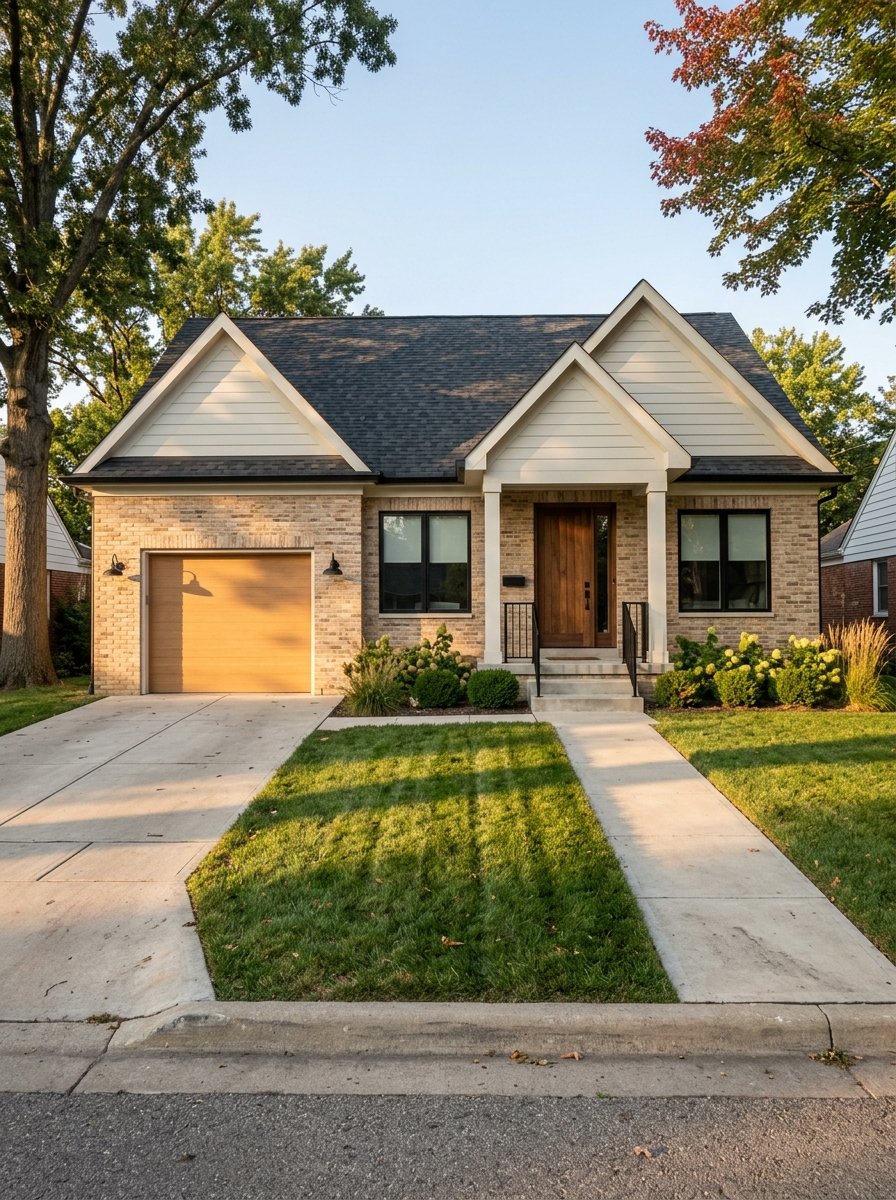
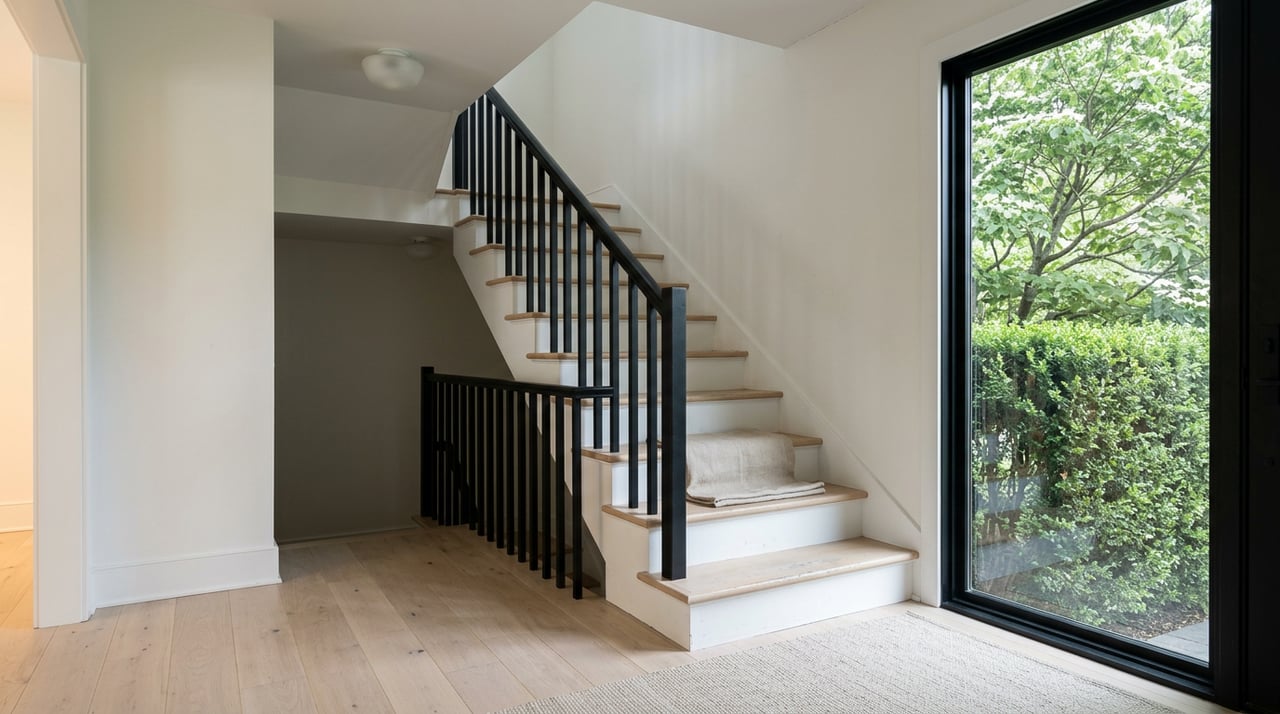
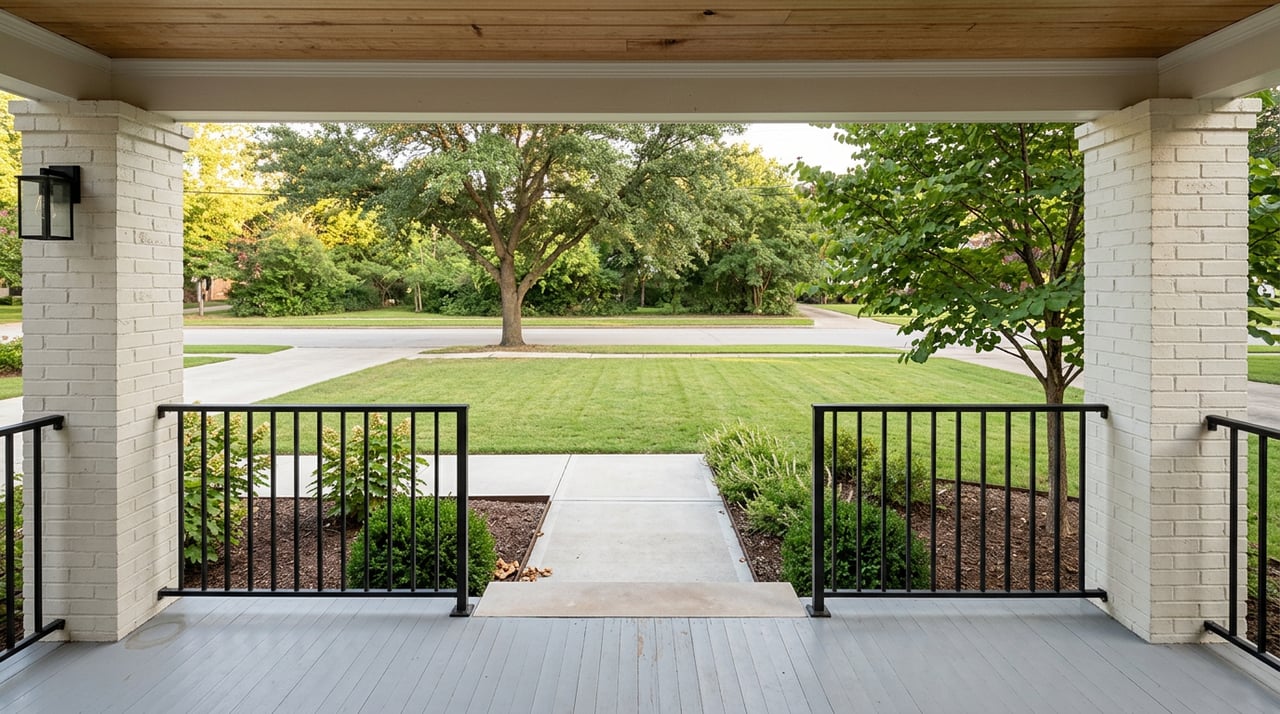
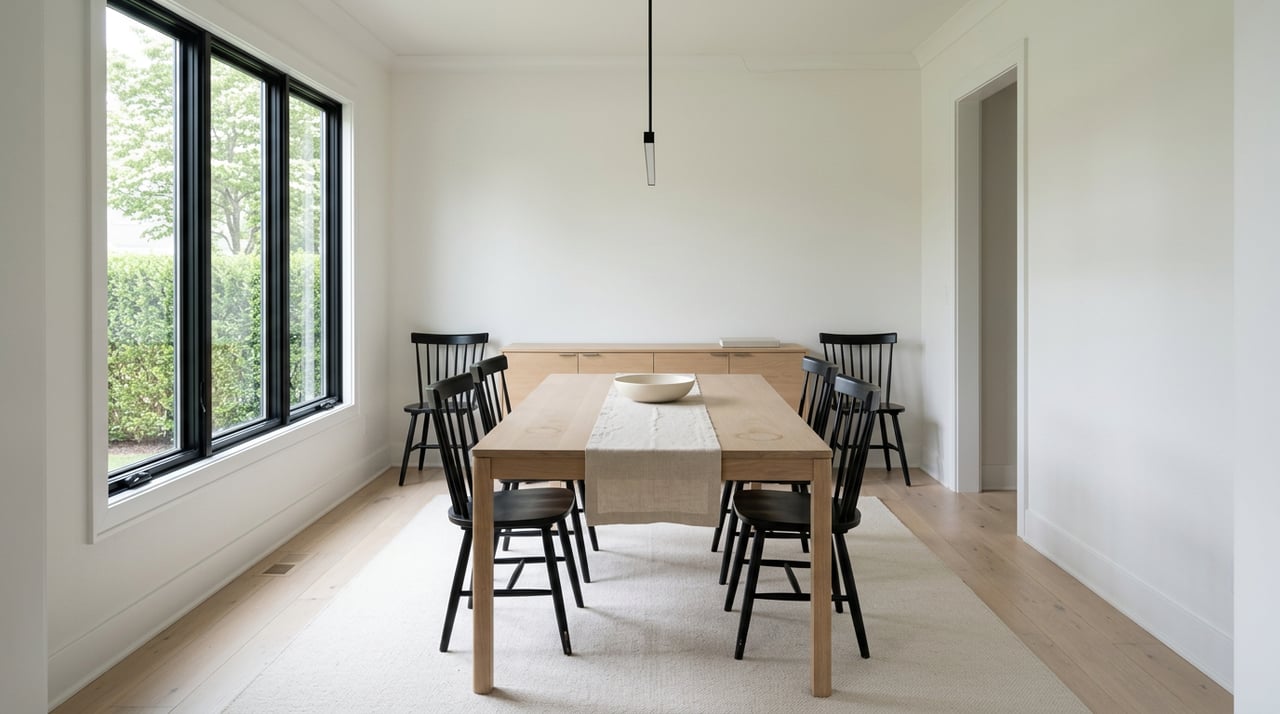
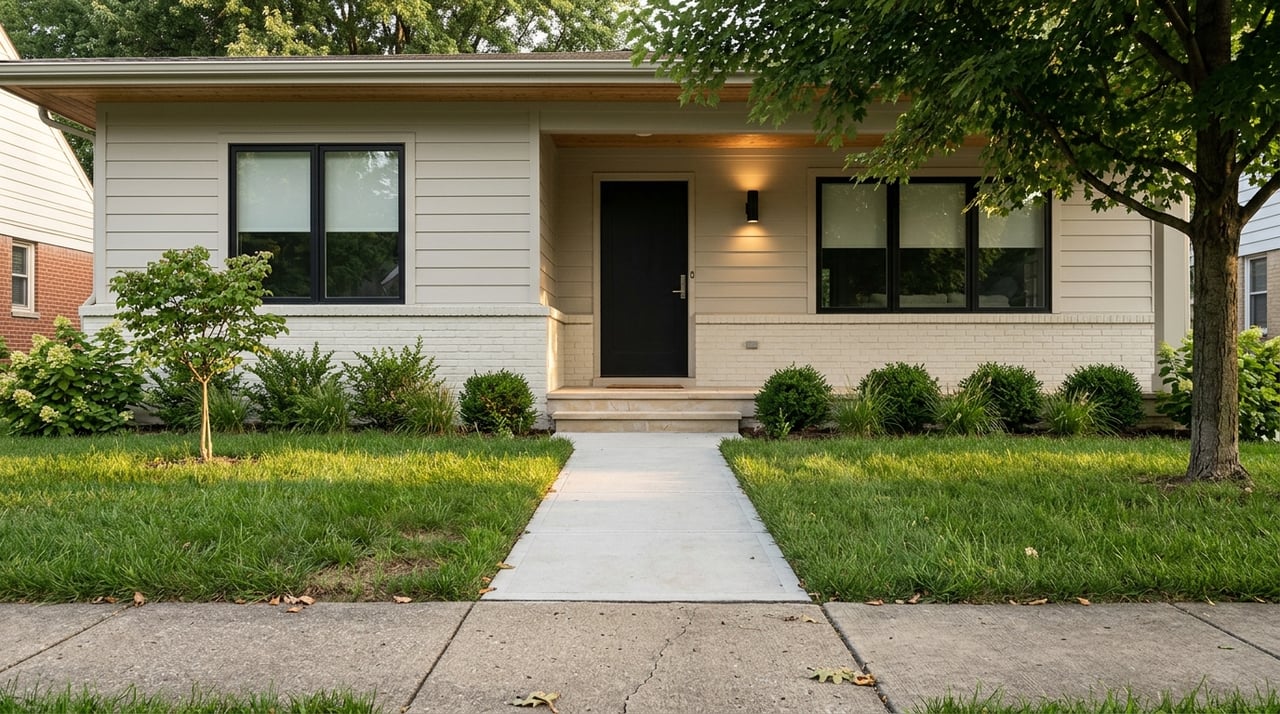
In a market with many owner-occupants, first impressions matter. Buyers often respond more positively to homes that feel clean, bright, and ready for move-in. Even simple updates can help your home photograph better and show more smoothly.
Here are a few prep items worth prioritizing:
One of the biggest mistakes sellers make is choosing a price based on broad county averages or the highest number they saw online. In White House, that approach can backfire because pricing data varies by source and by property type. Your list price should come from local comparable sales, current competition, condition, lot size, updates, and micro-location within 37188.
A smart pricing strategy aims to create interest early, when your home is freshest to the market. If you start too high, you may lose momentum and end up making price reductions later. If you start with a disciplined number based on the market, you give yourself a better chance to attract serious buyers and stronger offers.
This is where local experience matters. The McGiboney Team’s seller services include pricing, marketing, and negotiation, which is especially important in a market where some homes sit and others still sell close to list.
Once your home is ready and priced correctly, the next step is exposure. A coordinated launch can help you reach the right buyers and create better early traction. In many cases, that means more than just putting a listing online and waiting.
Compass tools can support a more strategic rollout. Private Exclusives and Coming Soon options can help create early awareness before a home is fully public, which may be useful if you want to test interest or build demand while finishing final prep. That kind of phased launch can make the process feel more organized and less rushed.
Your marketing should make it easy for buyers to understand the value of your home. That starts with clean presentation, accurate pricing, and a clear plan for how the property will be introduced to the market. The goal is not just visibility, but the right visibility.
A strong seller strategy often includes:
Once your home is active, flexibility helps. Some listings in White House move quickly, while others take longer, so the first couple of weeks are important. This is when you learn how buyers are responding to your price, condition, and presentation.
Expect feedback after showings. Buyers may comment on layout, updates, storage, or cosmetic details, and that information can help guide next steps. In some cases, small adjustments to staging or pricing can improve activity.
Keep your home as show-ready as possible during this window. Clean surfaces, open blinds, and minimized clutter can help each showing make a better impression. If your home is occupied, a simple routine for daily pickup can reduce stress.
When offers come in, price is only one part of the decision. You also want to consider financing strength, contingencies, timing, requested repairs, and whether the buyer’s terms fit your move. The best offer is not always the highest one on paper.
In White House, where some homes are still selling above list, a strong presentation can help create competition. But negotiations often include repair requests, credits, or timing changes. Staying focused on net outcome and contract strength can help you choose wisely.
When reviewing offers, pay attention to:
Sometimes offering a credit instead of completing minor repairs can keep a deal together more efficiently. The right response depends on the scope of the issue, the buyer’s expectations, and your overall goals.
Before you get too far into negotiations, make sure your disclosure paperwork is handled properly. In Tennessee, most sellers of 1 to 4 dwelling-unit residential property must provide either a disclosure statement or a disclaimer. The disclosure is not a warranty, but it does address known defects or malfunctions, environmental hazards, flood or drainage issues, encroachments, and unpermitted work.
If a buyer waives the disclosure, a disclaimer statement may be used instead. That is why “as-is” does not replace the need to handle the required paperwork correctly. Clear, accurate disclosures can help reduce friction later in the transaction.
If your property is in a planned unit development, Tennessee also requires disclosure before entering into a contract. The seller must make restrictive covenants, homeowner bylaws, and the master deed available on request.
If your home was built before 1978, federal lead-based paint disclosure rules apply. Sellers must provide any known lead information, the required pamphlet, contract language confirming compliance, and an opportunity for a lead inspection or risk assessment before the buyer is obligated under the contract.
After you accept an offer, the transaction enters a document-heavy stage. This is when inspections, lender requirements, title work, and closing coordination all need to line up. It is more than a date on the calendar, and staying organized matters.
Closing timelines often connect to the buyer’s financing. Rate locks commonly run 30, 45, or 60 days, and the buyer’s lender must deliver the Closing Disclosure at least three business days before closing. If something important changes, a new three-business-day review period can apply.
This period can include inspection responses, repair discussions, title review, and final numbers for closing. Good communication helps keep each step moving and reduces last-minute surprises.
As you prepare for closing, it helps to understand a few cost items that may affect your final numbers. In Tennessee, the realty transfer tax is $0.37 per $100 of value or consideration. There is also a mortgage or indebtedness tax of $0.115 per $100 of indebtedness, with the first $2,000 exempt.
These recordation taxes are separate from ordinary property tax prorations. White House’s 2025 city tax rate is $0.8961 per $100 of assessed value in both Robertson and Sumner counties, and residential and farm property is assessed at 25%. Because property taxes are administered locally, a Robertson County seller should confirm the exact proration with the local county office before closing.
Selling a home has a lot of moving parts, especially if you are balancing repairs, timing, paperwork, and your next move. A coordinated team can make that process feel more manageable. Instead of handling each issue one by one on your own, you have support across pricing, marketing, negotiation, and transaction coordination.
That is part of what makes a process-driven approach valuable in White House. The McGiboney Team serves White House and brings pricing, marketing, and negotiation support, along with the backing of Compass tools like Concierge, Private Exclusives, and Coming Soon. With 64+ combined years of experience and 89+ sales in the last 12 months, the team is built to help sellers move from prep to closing with less guesswork.
If you’re getting ready to sell in White House, the right plan can help you protect your time, reduce stress, and make stronger decisions from day one. When you’re ready for local guidance and a step-by-step selling strategy, connect with The McGiboney Team.


With a passion for real estate and a deep connection to the communities they serve, The McGiboney Team is your trusted partner in navigating the ever-changing real estate market. Let them help you turn your real estate dreams into reality. Contact them today to discuss all your real estate needs!
Get in Touch With Our Team to Learn More
530 W Main St Hendersonville, TN 37075