Downtown Gallatin TN Living: A Guide for Local Buyers
If you want a home with more personality, shorter trips for coffee or dinner, and a calendar that feels a little more connected to the community, living near downtown Gallatin may stand out right away. For many buyers, the appeal is not just the house itself. It is the mix of historic character, walkable spots, and everyday convenience that can shape your routine in a very real way. In this guide, you will get a clear picture of what daily life near downtown Gallatin looks like, what kinds of homes you may find, and what tradeoffs are worth thinking through before you buy. Let’s dive in.
Downtown Gallatin centers around the historic public square, which dates to 1802 and sits within the Gallatin Commercial Historic District. That gives the area a sense of place that feels different from newer parts of 37066. It is both a civic center and a social hub, with the courthouse and surrounding streets forming the heart of downtown.
The city describes downtown as a place to stroll for shops, dining, architecture, and events. In practical terms, the core is fairly compact. City Hall, the public library, The Palace Theater, and the farmers market are all downtown or immediately nearby, which makes it easier to build errands and activities into your normal week.
Living near downtown Gallatin often means your routine can feel a little less car-dependent for small outings. You may be able to step out for coffee, lunch, a quick shop visit, or a weekend event without planning a long drive. That can be a big shift if you are used to neighborhoods where every stop requires getting in the car.
The downtown amenity mix is broad for a smaller city center. According to the city, the area includes coffee shops, breakfast and lunch spots, pizza, Mexican and Japanese dining, a books-and-café concept, boutiques, floral and home décor stores, and other retail. You are not getting the scale of a major urban core, but you are getting a concentrated cluster of useful places in a short radius.
Another part of daily life here is the event rhythm. Downtown Gallatin is not just a static square with storefronts. The city highlights recurring events like Square Fest, Taste of the Square, the Third Thursday Concert Series, Main Street Fest, Trick-or-Treat on the Square, and A Merry Little Christmas Market, which gives the area an ongoing sense of activity throughout the year.
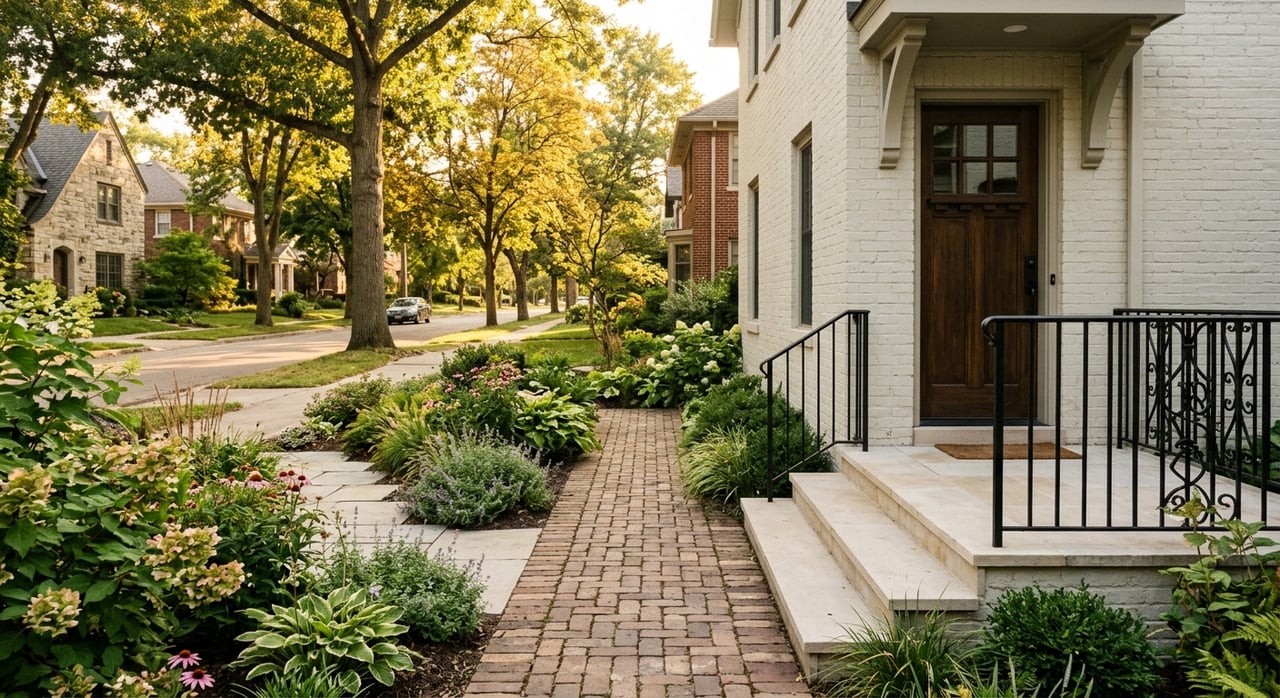
One of the biggest reasons buyers look near downtown Gallatin is the housing character. The strongest residential anchors close to downtown are the historic districts, especially East Main Street and Woodson Terrace. These areas offer a built environment that feels distinct from newer subdivisions and townhome communities.
Woodson Terrace was built from the late 19th century through the mid-20th century and includes primarily single-family homes. East Main Street also reflects older architectural styles and design details that many buyers find appealing. If you love homes with established streetscapes and a sense of history, these downtown-adjacent areas can be especially attractive.
The East Main Street district guidance points to styles such as bungalow, Folk Victorian, Craftsman, and Victorian influences. New construction and exterior changes are expected to stay compatible with the existing scale, setbacks, roof shapes, and materials. In other words, the area is shaped to preserve a cohesive look rather than evolve in a completely unrestricted way.
Historic character can be a major plus, but it is important to understand what comes with it. In East Main, exterior changes require review, and district rules place emphasis on compatible additions, outbuildings, and façade work. If you are the kind of buyer who wants total freedom to redesign the exterior, that may feel limiting.
On the other hand, some buyers see this oversight as part of the value. It can help protect the look and scale of the area over time. If you appreciate a neighborhood where renovations are expected to fit the surroundings, living near downtown may feel more stable and intentional than areas with fewer design controls.
Not every downtown-adjacent buyer wants a historic home. Outside the immediate historic core, Gallatin’s development pipeline includes a wider range of newer housing types, including townhomes and mixed-use neighborhoods. City listings have included projects like Atlas Townhomes, Nexus Tennessee Townhomes, St. Blaise Townhomes, and Vinewood Townhomes.
That mix matters if you want easier maintenance, a newer layout, or a more updated finish level while still staying reasonably close to downtown. It also shows that Gallatin is growing in different directions rather than relying on one housing style. Project Phoenix could add residential units near downtown in the future, though the city still describes it as a proposed concept rather than a finalized build.
For many buyers, one of the strongest arguments for living near downtown Gallatin is convenience. The downtown core gives you access to civic spaces, local businesses, and seasonal events in a concentrated area. That can make your week feel more connected and less spread out.
The Town Creek Greenway adds to that appeal. The city says the greenway system includes a 4-mile track from the Gallatin Civic Center to Triple Creek Park, then along Town Creek through Historic Woodson Terrace into downtown. The completed section runs to North Water Avenue and ends at the Farmers Market, stretching about two miles.
That greenway connection can be a real lifestyle perk if you enjoy walking, casual biking, or simply having more outdoor access close to home. It also ties together some of the places people visit most often, including downtown and the market area. For a smaller city, that kind of connectivity can make nearby living feel especially practical.
While downtown itself is centered more on shops, dining, and events, recreation is still a major part of Gallatin living. Triple Creek Park offers playgrounds, picnic shelters, athletic fields, disc golf, a dog park, and walking trails. If you want room to spread out on weekends, it gives you a convenient option beyond the downtown core.
Old Hickory Lake offers a very different kind of experience. The lake includes boating, fishing, camping, hiking, picnicking, water skiing, marinas, and fishing piers, with 22,500 acres of water and eight commercial marinas. That means Gallatin buyers often weigh two very different lifestyle choices: the walkable, event-rich feel of downtown or the recreation-centered pull of lake-oriented living.
If your weekends revolve around boat access and water activities, lakefront or lake-adjacent areas may fit you better. If you care more about being close to the square, local events, and short everyday trips, downtown-adjacent living may be the stronger match.
Compared with newer suburban neighborhoods, downtown Gallatin usually offers older architecture, closer civic access, and a more established sense of place. In exchange, you may get less yard space, less uniform housing stock, and more variation from one block to the next. For many buyers, that variety is part of the appeal.
The city’s development activity also shows that newer options in Gallatin include single-family homes, townhomes, condominiums, apartments, and mixed-use projects outside the historic core. That reinforces the basic choice many buyers face. Do you want older homes and a more central, walkable setting, or do you want a newer home with a more suburban layout and feel?
Neither answer is universally better. It really comes down to how you want your home to support your daily life. Buyers who prioritize space and newer construction often lean suburban, while buyers who want charm, access, and a stronger downtown rhythm often look closer to the square.
If you are budgeting for a move in 37066, the broader ZIP code numbers help set expectations. As of April 30, 2026, Zillow reported a typical home value of $443,167 in 37066, a median sale price of $400,483, and a median days-to-pending figure of 37. These are ZIP-wide figures, not downtown-specific numbers, but they provide useful context as you compare options.
That means your exact price point near downtown can vary quite a bit depending on home age, lot size, condition, and whether the property sits in or near a historic district. A renovated historic home may offer a very different value proposition than a newer attached home nearby. Looking at the surrounding lifestyle and upkeep expectations matters just as much as comparing square footage.
Living near downtown Gallatin tends to work well for buyers who value a connected lifestyle. You may be a strong fit if you like the idea of local events, older homes with character, and having shops, dining, and civic spaces close by. It can also appeal to relocators who want a neighborhood that feels established rather than brand new.
It may be less ideal if your top priorities are a large yard, fully unrestricted exterior changes, or a neighborhood built around newer subdivision planning. In that case, other parts of Gallatin may line up better with what you want. The key is making sure the area matches the way you actually live, not just what looks appealing in photos.
If you are weighing downtown Gallatin against other parts of Sumner County, it helps to tour both the square and nearby neighborhoods in person. The feel of the streets, the scale of the homes, and the pace of the area are easier to understand when you experience them firsthand. That kind of side-by-side comparison often makes the decision much clearer.
Whether you are relocating, moving up, or just narrowing down your next area, having local guidance can save you time and help you focus on the right fit. If you want help comparing downtown Gallatin with other 37066 options, The McGiboney Team is here to help you explore Middle Tennessee with confidence.

With a passion for real estate and a deep connection to the communities they serve, The McGiboney Team is your trusted partner in navigating the ever-changing real estate market. Let them help you turn your real estate dreams into reality. Contact them today to discuss all your real estate needs!
Get in Touch With Our Team to Learn More
530 W Main St Hendersonville, TN 37075